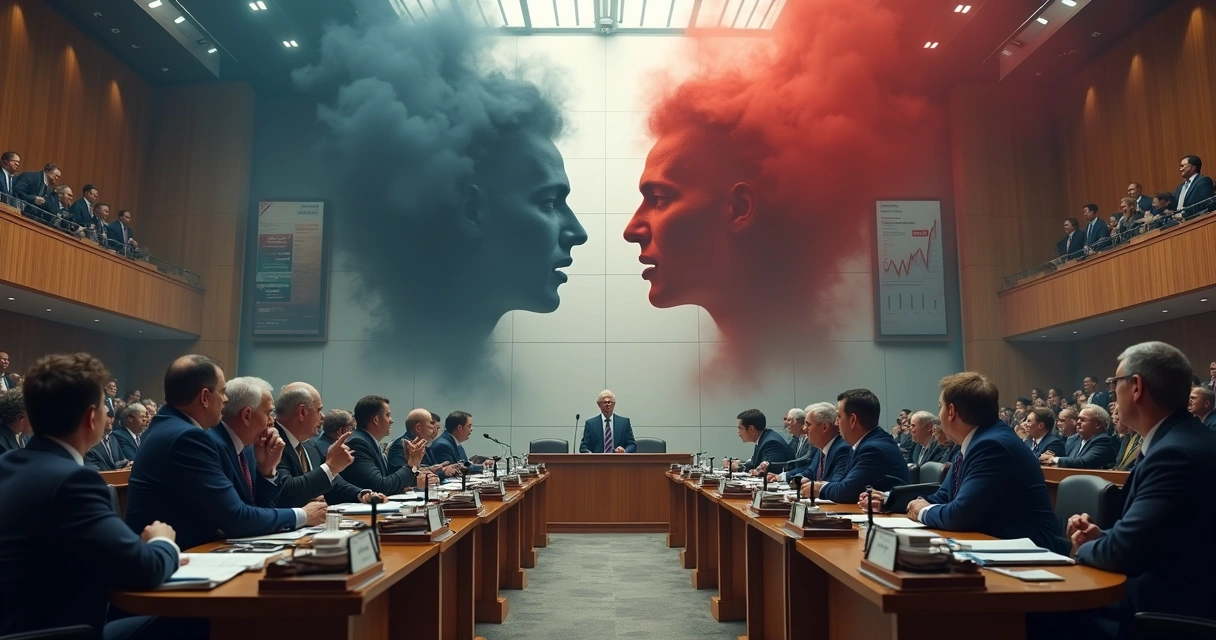
When we talk about politics, we often point to laws, debates, or economic data. Yet, as we’ve seen in recent years, the true engine of political life often runs on emotion—sometimes raw, unprocessed, and misunderstood emotion. When emotional literacy is missing, society drifts. The loudest voices ring in outrage or fear. Conversations fracture. We have witnessed firsthand how this lack of emotional education doesn't just stir individuals; it moves crowds, forms policies, and sometimes tears at the very fabric of our democracy.
Let’s look at seven key ways emotional illiteracy is shaping our politics today—and what that means for all of us.
Unseen forces: How emotional illiteracy drives division
Emotional illiteracy is not about lacking feelings. It is, instead, the inability to recognize, process, and communicate them in healthy ways. In our view, missing this skill as a society has far-reaching consequences:
- Misunderstood emotions become invisible drivers of collective actions
- Leaders manipulate these forces, often without conscious awareness
- Civic conversations shift from cooperation to confrontation
This shapes political life at every level—from the voting booth to online forums and city halls. As a Yale ISPS blog reminds us, emotions like hope and empathy are not only present in our politics, but are central for healthy democratic engagement and public deliberation (democratic engagement and deliberation).
Panic buttons: Fear and the rise of control
When fear dominates public discourse, it seldom asks for careful listening. It demands action—usually fast, and rarely measured. Political actors know this, sometimes amplifying threats to sway opinions and votes. In our research, societies gripped by collective fear often see:
- Increased support for restrictive or authoritarian policies
- Hesitation to accept outsiders or change
- Growth of “us vs. them” mindsets
Without the ability to pause and truly recognize fear, it becomes an easy button for manipulation. Evidence reported in psychological research connects lower emotional skills with stronger support for stricter policies, reflecting fear’s power to shape worldviews. The unchecked cycle continues, reinforcing a community’s sense of threat—even when objective risks shrink.
The anger echo: Polarization and political outrage
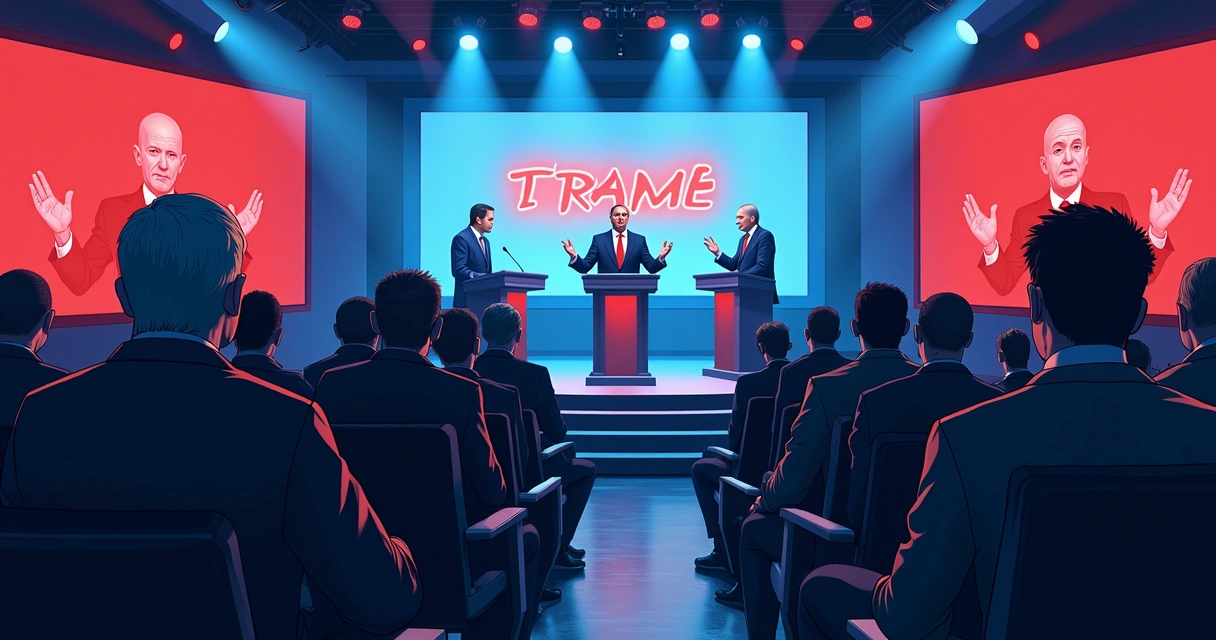
Anger has become one of the most visible emotional forces in political arenas. We notice that anger, when understood and channeled, can be a catalyst for change. However, emotional illiteracy twists anger into something different—a spiral of blame, outrage, and polarization.
Instead of addressing root causes, political narratives frequently channel anger outward. Studies like the peer-reviewed research on populist rhetoric show how specific messages spark frustration, not only about policies but also about each other. This anger is contagious, too. Broadcasted rage fuels counter-rage, social divides, and finally, a gridlock where policy solutions seem almost impossible.
Anger, unmanaged, builds walls no policy can tear down.
Hidden rules: How emotional blind spots fuel manipulation
We have observed how skilled political actors recognize an emotionally illiterate audience as fertile ground for manipulation. When voters cannot distinguish between real and manufactured feelings, it becomes much easier for campaigns to:
- Use fear to shift priorities suddenly
- Inflame anger to distract from failures
- Prompt guilt or shame to gain compliance
Voters then respond more to performance than policy. Psychological news reports reveal that these strong emotional reactions are stronger predictors of voting choices than rational analysis (emotional reactions and voting behavior).
Walls go up: Why empathy breakdowns undermine democracy
Empathy is the social glue that keeps our conversations and communities connected—even in disagreement. When emotional literacy is low, empathy breaks down. Instead of hearing citizens as fellow humans, opponents become faceless rivals.
This loss leads to:
- Discrediting or dehumanizing those with opposing opinions
- Diminished public trust
- Short-sighted solutions that harm rather than heal
Studies like those summarized by the University of Florida reporting show that anxiety can motivate engagement, but without self-awareness, it often makes us less open to compromise, creating cycles of conflict rather than cooperation. Resources discussing emotional education highlight the value of conscious empathy for justice and social stability.
Vicious cycles: The cost of unexamined collective guilt and shame
Our political systems are not just shaped by anger and fear; guilt and shame run through them too, though more quietly. When emotion is not integrated, guilt can foster:
- Submission to authority, avoiding healthy challenge
- Hidden resentment, which builds over time
- Policies that focus on punishment rather than growth
These emotional undercurrents shape cultures of blame. Social ethics resources show that when collective guilt is unspoken, societies become trapped in cycles of compliance and rebellion—rarely moving toward true reconciliation.

Short-term vision: Reactivity over responsibility
We see emotionally illiterate politics constantly opting for quick fixes instead of sustainable answers. Leaders and voters both react emotionally to headlines and short-term events, often missing the big picture. This creates cycles where:
- Reactionary policies resolve yesterday’s crisis, not tomorrow’s risks
- The focus stays on “owning” political rivals rather than on genuine improvement
This pattern keeps trust low and makes political progress rare. As we discuss in collective behavior resources, collective reactivity blocks societies from taking mature, coordinated action on shared challenges.
Lost tools: Emotional avoidance and the cost to self-regulation
Ultimately, the refusal to build emotional skills leaves both leaders and citizens without the self-regulation needed for sound democratic life. Self-regulation is the foundation of mature politics. When it is missing, debates spiral, tempers flare, and connections fracture.
When we look at reports on emotional self-regulation, what stands out is that societies that nurture these skills are better positioned to weather crises—and make decisions that last. Democracy, after all, is a long game. It can't be played well with short fuses.
The power of awareness: Moving from crisis to maturity
Emotional illiteracy shapes our politics in ways that are visible in anger, fear, and division, but felt even more deeply in the policies and civic structures it creates. By acknowledging these seven forces, we see that political challenges are very often emotional crises in disguise. When emotional maturity rises, policy and participation follow.
Encouraging emotional education, empathy, and self-regulation is not a separate task from improving our politics; it is the core of it. As communities work through their emotional patterns—individually and collectively—they begin to build not only stronger arguments, but also stronger connections. In our experience, resources on systemic constellation offer useful ways to make sense of these shared emotional histories.
Politics, in the end, is the story of our feelings writing themselves into our laws. By learning to read those feelings with honesty, we open the way to a more balanced, responsible, and hopeful public life.
Frequently asked questions
What is emotional illiteracy in politics?
Emotional illiteracy in politics means lacking the skills to recognize, understand, express, or manage feelings—both in ourselves and others—during political discussions and decision-making. This leads to misunderstandings, manipulation, and heightened conflict, instead of open dialogue and effective problem-solving.
How does emotional illiteracy affect voting?
Emotional illiteracy makes voters more likely to base choices on quick, strong feelings rather than careful thought or factual analysis. Several studies find that emotions like fear or anger are often stronger influences on a person’s vote than policy details or logical arguments.
Can emotional illiteracy cause political conflict?
Yes, emotional illiteracy can both spark and escalate political conflict. When people lack the ability to process strong emotions, debates quickly break down into blame, defensiveness, and division, making it much harder to find common ground.
How to become more emotionally literate politically?
Building emotional literacy starts with self-awareness—learning to identify and understand your own reactions to political topics. Practicing active listening, reflecting on emotional triggers, and seeking balanced information all help. There are also educational approaches, such as emotional education and group work, that foster these skills.
Why is emotional literacy important for leaders?
Leaders with emotional literacy are better at connecting with citizens, making wise decisions in crisis, and building trust across differences. They are less likely to react impulsively or play into emotional manipulation, and more able to hold conversations that lead to cooperation rather than conflict.