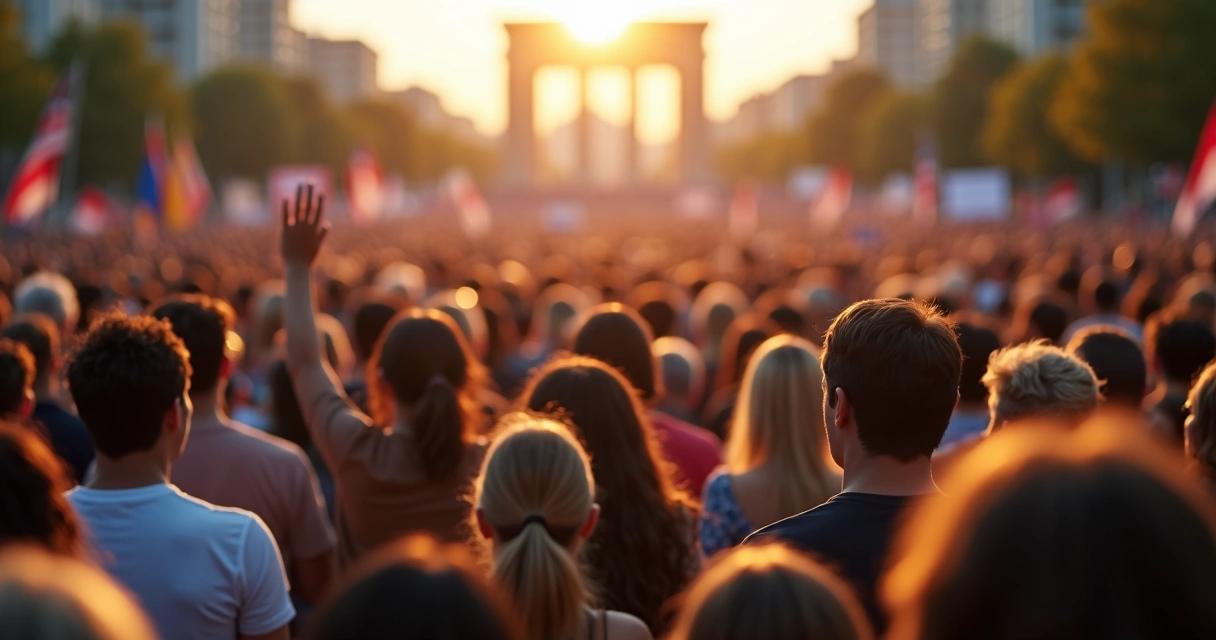
In every major political movement, something invisible yet powerful shapes the direction and energy of the group. It is a force that sweeps through crowds, gives leaders the power to inspire, and turns isolated frustrations into a collective, organized demand for change. We call this emotional resonance. But where does it start? How does it become the fuel for widespread transformation?
Understanding the heartbeat beneath political action
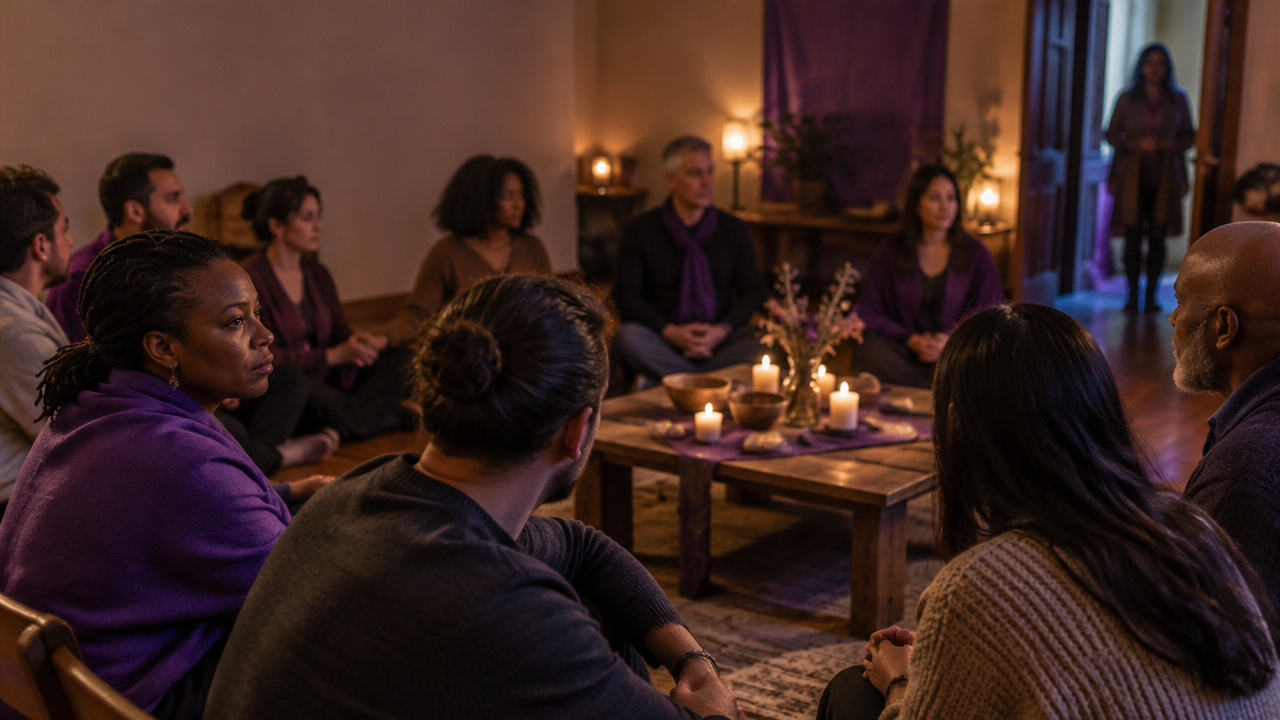
We have often seen that while facts and policies may frame a cause, it is the shared emotional landscape that truly unites people. Political movements, large or small, begin with a feeling—sometimes a spark of hope, a deep frustration, or urgent fear. These emotions do not belong only to individuals; they ripple through communities, connecting people in a pattern of shared experience.
A movement grows when emotions are echoed from one person to another.
Emotional resonance is the invisible thread that links how people feel to how they act together. It isn't just about intense feelings, but about synchronized emotional states. This synchrony creates a sense of belonging and purpose. When people see their inner world reflected in the voices around them, something clicks, and a movement begins to gather its heartbeat.
The first sparks: From inner feeling to public expression
Let’s look at how the first sparks of emotional resonance appear in a political context. In our experience, they often emerge in three phases:
- Recognition of shared emotion: People start to notice that they are not alone in how they feel. Whether it’s discontent, hope, or a desire for justice, recognizing others with the same emotional core feels validating.
- Social connection: Conversations, usually small and informal at first, amplify these emotions. In person or online, energy flows and multiplies as people reflect each other's feelings.
- Symbolic expression: Emotional energy takes form in images, words, or actions that become the symbols of the cause. These symbols, such as songs, slogans, or gestures, help focus and sustain the emotional momentum.
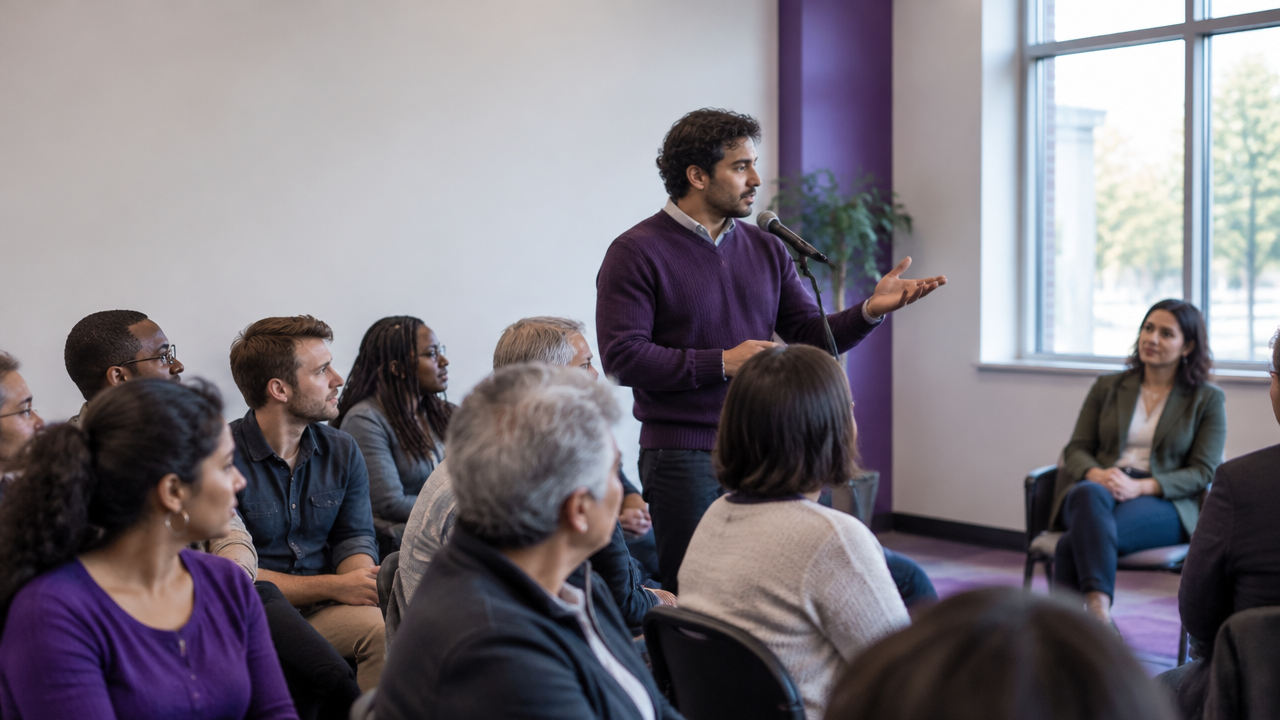
We often see these stages happening in both large demonstrations and quiet neighborhood meetings. The crucial point is that political action often follows the alignment of emotions, not the other way around.
How emotional resonance spreads in groups
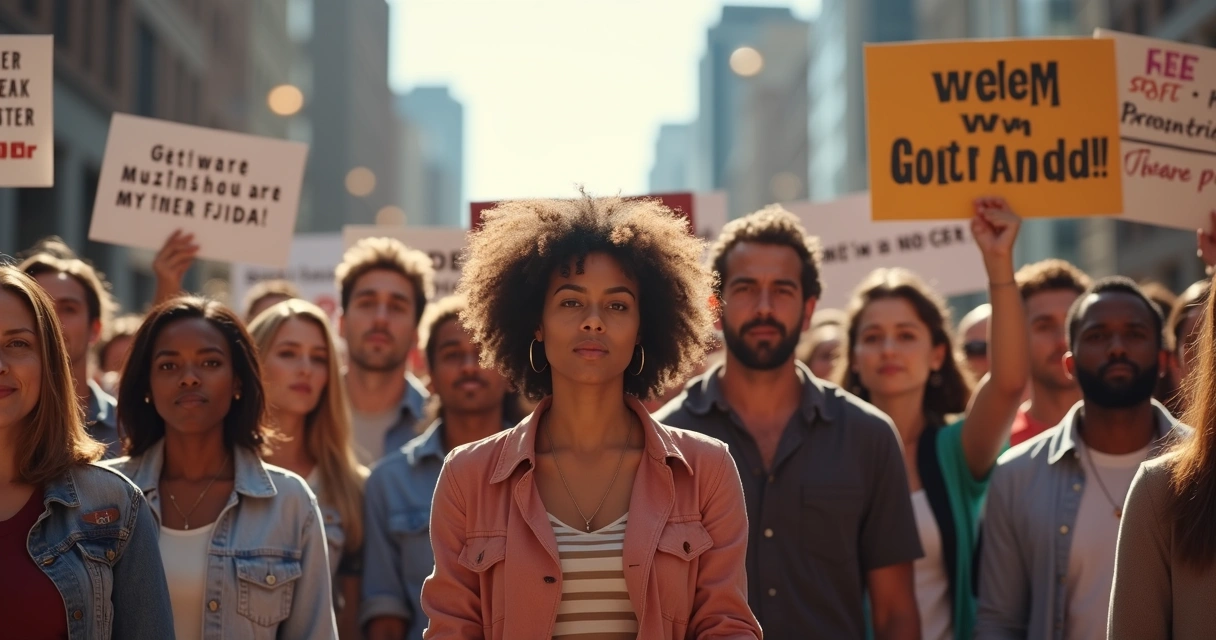
After the first sparks, resonance can spread fast in political groups. We see this process every time an issue catches fire across social networks or when people fill public squares overnight. But what actually happens in these moments?
- Contagion: Emotions are contagious. Hearing someone passionately speak about a subject stirs the same feelings in us. Group activities—marching, chanting, even listening—generate emotional waves that move through the collective.
- Mirroring: We tend to unconsciously copy the emotions we observe. If one person expresses anger or hope, we often respond in the same way, creating a cycle of escalating shared feeling.
- Validation: Emotional resonance makes each person feel seen and understood. When our private emotion finds public expression, our sense of purpose becomes stronger.
We have witnessed how these elements can transform a group of strangers into a strong community. It is not uncommon for people who never met before a movement to experience a deep sense of connection, simply because their emotions are moving in harmony.
The role of narratives and symbols
Stories lie at the center of emotional resonance. When a story or slogan sums up how people feel, it spreads rapidly and sticks. Symbols, whether visual or verbal, turn abstract emotions into things people can hold, wear, or chant. In our experience, symbols become shortcuts to belonging and motivation.
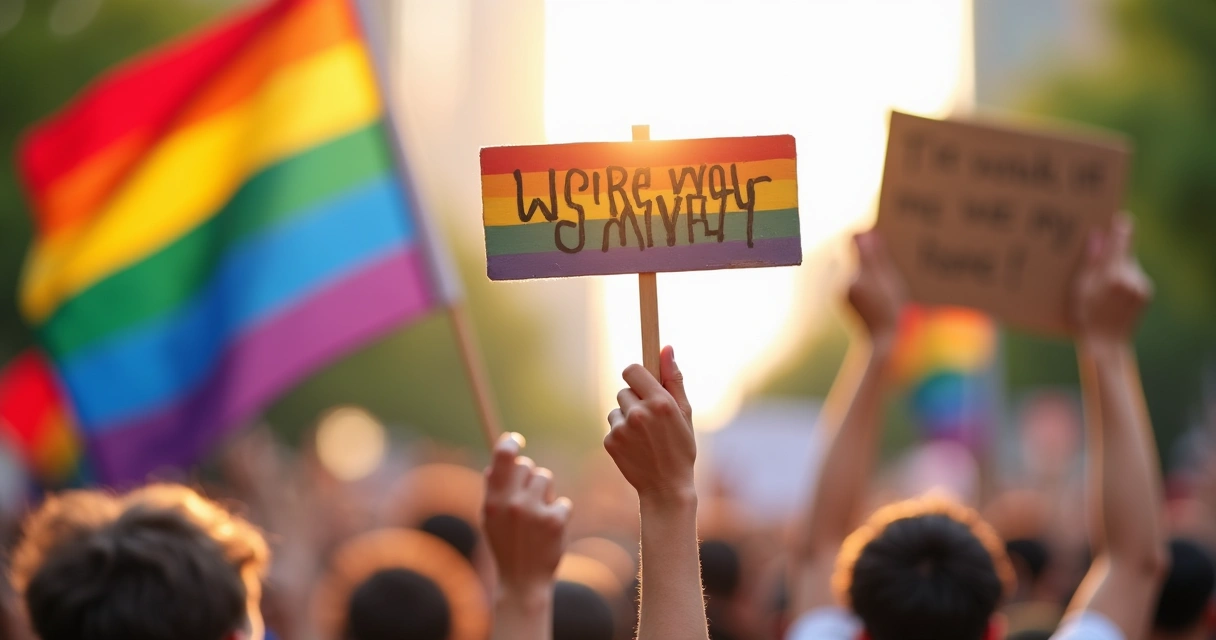
Think of the images, colors, or gestures connected to different movements. These are not just decoration. Symbols concentrate emotional energy and transmit it instantly. When someone wears a badge or waves a flag, they are expressing not only an idea but also a shared emotion.
Barriers and distortions in emotional resonance
Not every resonance leads to healthy or positive results. We see times when resonance turns into polarization or even violence. Fear and anger can be used to manipulate, not unite. Sometimes resonance gets blocked when emotions are denied or repressed in a society.
In our experience, these barriers appear when:
- Strong emotions are dismissed rather than heard, making people feel invisible.
- Leaders manipulate emotional narratives to incite fear or hostility.
- Groups close themselves off, amplifying only their own emotional signals while shutting out others.
It is clear that resonance can be directed for cooperation or conflict, depending on intention and awareness. The way a society responds to emotional resonance shapes whether movements lead to positive change or to deeper division.
Emotional education and collective maturity
What can help guide emotional resonance toward constructive outcomes? We have seen that emotional education plays a central role. When people are taught to recognize, understand, and manage their emotional states, the collective field becomes less reactive and more balanced.
Emotional maturity in groups supports:
- More thoughtful responses rather than impulsive ones
- Greater empathy between differing views
- Resilience when facing setbacks
- Trust and cooperation within the movement
For those interested in this intersection of emotion, group dynamics, and collective action, our content on emotional education and self-regulation brings more depth to these ideas.
Lasting impact through emotional resonance
We have observed that movements based on mature emotional resonance create more lasting and ethical changes. When the emotional field of a group is coherent and conscious, its actions are more likely to focus on cooperation, ethics, and stability. That is why social movements rooted in empathy and shared care often achieve changes that last.
Emotional resonance, then, is not only how movements start—it is also how they thrive.
For broader perspectives on how social structures are shaped by these collective emotions, our readers can visit discussions on social ethics and collective behavior. And for those who want to discover more, a search in our archive may prove valuable.
Conclusion
Emotional resonance is where every meaningful political movement begins. When feelings are recognized and shared, a group’s energy crystallizes into action. Symbols, stories, and emotional synchrony all play a part. While resonance can be manipulated or blocked, emotional maturity within groups opens space for ethical, lasting transformation. We believe that learning to recognize and guide these emotional currents can change not just movements, but entire societies.
Frequently asked questions
What is emotional resonance in politics?
Emotional resonance in politics is the process by which individual feelings become synchronized and amplified within a group, creating a shared emotional experience that shapes political beliefs and actions. It is the emotional connection between people that drives collective decisions and motivates coordinated action.
How does emotional resonance start in movements?
Emotional resonance starts when people recognize common feelings—such as hope, anger, or fear—and express them in public or through symbols. It grows as conversations reflect and amplify these feelings, and as symbols and narratives help focus and maintain the shared emotional state within the group.
Why is emotional resonance important?
It is important because it turns isolated emotions into collective energy, giving a movement strength, direction, and identity. Without this shared resonance, political groups struggle to unite people or gain momentum for change.
How does it influence political groups?
Emotional resonance can make a political group more cohesive and motivated by aligning members' emotions toward a common cause. However, it can also increase division if fueled by fear or hostility rather than empathy and maturity.
Can emotional resonance create lasting change?
Yes. When emotional resonance is based on mature and integrated emotions, it supports cooperation and ethical action, leading to changes that are more stable and positive for both the group and the wider society.