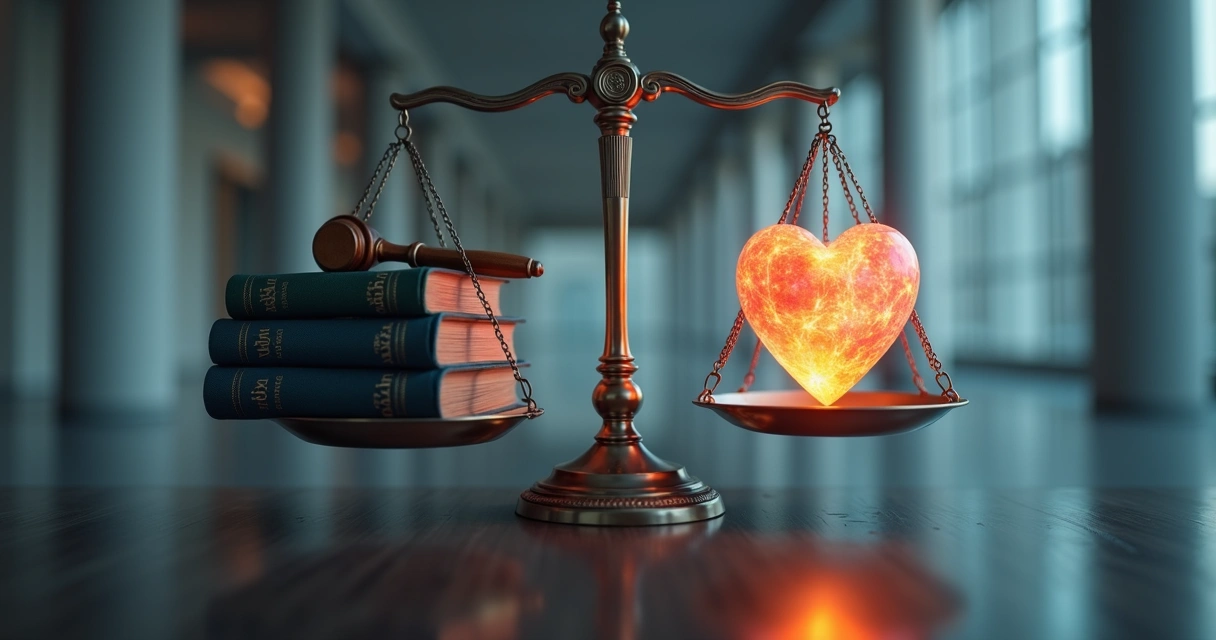
Laws shape society. Emotion shapes laws. This relationship isn’t simple, and debates about which comes first—law or emotion—have lasted for centuries. We see law as the backbone of organized life. Yet if we look deeper, emotion is often the hidden engine.
We’ve all read headlines about angry crowds making politicians act, or stories of fear changing the ways entire communities are policed. We’ve seen sympathy change legal rulings, frustration fueling protests, and calls for justice echoing the collective grief of societies. The question “Which comes first, law or emotion?” doesn’t just belong to philosophers—it’s present in our daily news and private lives.
We think the clearest insights come from five main debates. Through them, we can understand how emotion and law dance together and how, sometimes, one leads while the other follows.
The roots of the chicken-and-egg debate
This question—does law come first, or emotion—feels like a loop. On the one side, some argue that law creates order and teaches us what is “right,” shaping our ideas of justice and causing emotions to follow. On the other, many believe laws exist only because of collective emotions: fear, hope, anger, compassion.
Law channels emotion, but emotion inspires law.
Modern science also weighs in. Research on emotional influence in judicial processes suggests that emotion is not just noise in the system; it's part of the architecture. Emotion helps form memory, judgment, and reasoning in ways law alone cannot. We agree—emotion and law are entwined.
The policy pendulum: Does law follow public mood?
Policies may look objective on paper, but we know that collective moods—fear, anger, empathy—often pull them back and forth. Laws about crime, for instance, almost always tighten when the public feels afraid. Regulations can soften when public empathy rises for a certain group. Our team has seen how mass grief can lead to safety regulations, and public outrage can create or erase laws in months.
- After tragedies, safety laws often appear almost overnight.
- Periods of public distrust frequently bring stricter surveillance or policing laws.
- Positive collective moods, like excitement about new technology, can drive deregulation and legal adaptation.
Emotion, in these policy swings, is not an afterthought. We see it as the catalyst.
The formation of law: Rational or emotional?
There’s an old idea that laws are the result of “cold,” rational minds working objectively. We believe this is only partly true. While legal codes use logic, “why” a law is proposed or opposed often starts in the heart.
A fascinating survey of law and emotion confirms that policymakers often rely on emotional narratives—stories, anecdotes, vivid examples—to win support or trigger reform. Legal texts stay rational, but their birth is often emotional.
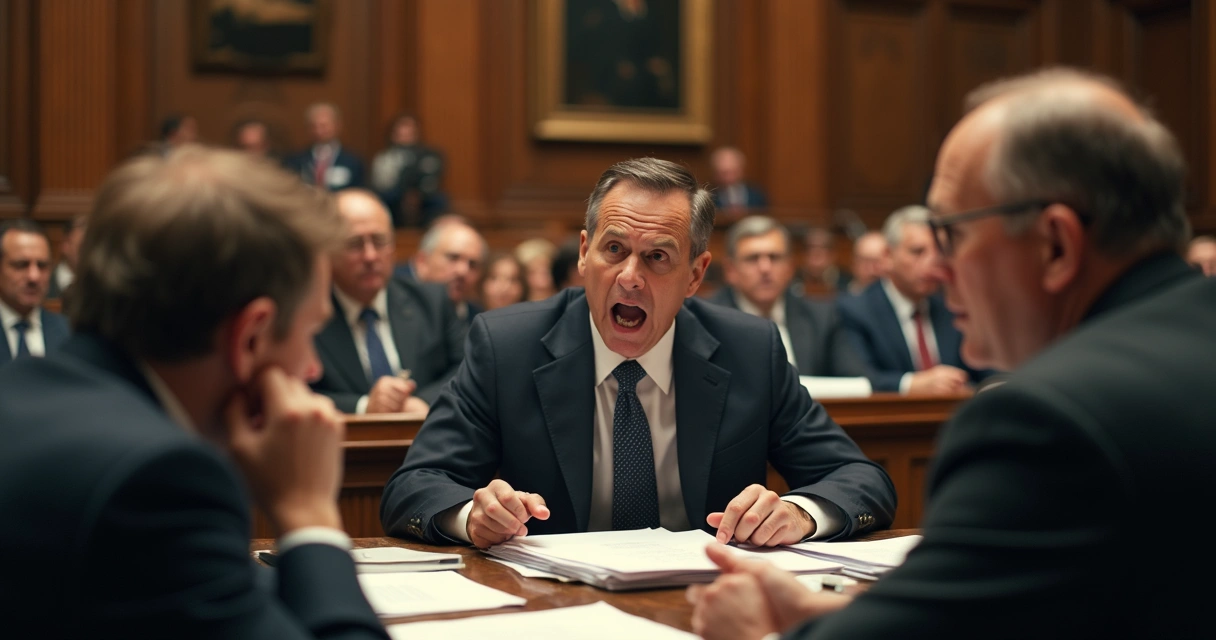
When we watch public debates, we see emotion at every turn:
- Lawmakers recall personal stories to argue for a law.
- Courtroom arguments use emotional language even when quoting the law.
- Public pressure based on shared feelings often means more to politicians than data.
Law cannot hide from emotion when it’s being written or challenged.
Justice and empathy: How emotion reshapes legal interpretation
Laws are not static. Their interpretation changes depending on context and, very often, the mood in the room. In fact, a judge’s empathy or anger can move the boundaries of a sentence just as surely as written statutes.
A study of judicial deliberation describes how emotion supports memory and learning, influencing practical legal reasoning. Emotional intelligence, in our experience, is the difference between justice that works for the real world and justice that only functions on paper.
- Courts sometimes show leniency based on remorse or suffering, not just rules.
- Juries are often swayed by the emotional presentation of facts.
- Appeals to empathy or shared values can even redefine what a law means in practice.
The idea of “blind justice” has value, but emotion gives law its human edge.
The feedback loop: When law shapes emotion
It’s not a one-way street. Just as emotion fuels law, law, in turn, changes the way people feel—about themselves, others, and authority.
When laws change, emotional responses shift. For some, a new rule means relief and trust; for others, anxiety and resistance. Laws about inclusion, safety, or punishment, for instance, become emotional symbols. We’ve watched entire communities grow more hopeful or fearful in response to new policies.

You’ll find more on these social impacts in resources about collective behavior and social ethics.
Rethinking emotional education in legal systems
With emotion so deeply woven into law, it’s time we see emotional education as an anchor for any legal system. We believe that teaching emotional self-awareness, empathy, and emotional literacy at all levels could change both how laws are written and how they are lived. Studies in emotional education and self-regulation show the benefits are wide, from reduced conflict to better interpretation of legal standards.
When people can name, regulate, and process emotions, legal outcomes are often more fair, consistent, and trustworthy.
If you’re interested in generational impacts and family dynamics within law, material on systemic constellation provides additional perspectives.
Conclusion: Which lights the way—law or emotion?
Law and emotion shape and reshape each other in a continuous loop. In our view, emotion usually starts the cycle, pushing for change or stability, with law formalizing and regulating these impulses. Yet, law then influences how people feel, creating new collective emotions that feed the next cycle.
Law gives shape to emotion. Emotion gives life to law.
Laws that ignore emotion quickly become brittle. Legal change, to last, needs emotional maturity and broad emotional understanding. By building bridges between emotion and law, not only do we find greater fairness, but also a more balanced society.
Frequently asked questions
What comes first, law or emotion?
Emotion usually comes first, driving changes in law by creating collective movements, demands, or reactions that lawmakers translate into legal codes or reforms. However, once in place, laws can influence and reshape public emotions, creating an ongoing cycle.
What is the role of emotion in law?
Emotion plays a key part in every stage of legal development—from the creation of laws to their interpretation and enforcement. Emotional narratives and collective feelings inspire new laws, while judges and juries often interpret and apply law with empathy or other emotions, as discussed in interdisciplinary fields such as studies of law and emotion.
How does law influence human behavior?
Laws guide what is seen as acceptable or unacceptable, shaping behaviors by setting out rules and consequences. But more than that, they can influence how people feel about authority, trust, and their community, sometimes reducing conflict or creating new tensions.
Can emotions change legal decisions?
Yes, emotions can and do affect legal decisions. Judges, lawyers, and juries are all influenced by emotional arguments, stories, or the emotional state of those involved. Research, such as studies on emotion in judicial deliberation, supports this influence, highlighting its importance in understanding legal outcomes.
Why do law and emotion often conflict?
Law aims for consistency and fairness, using rules to create order, while emotions are spontaneous and sometimes unpredictable. The conflict comes when strictly following a law seems unkind or unfair to many people, or when strong feelings demand a change that the law is slow to deliver.