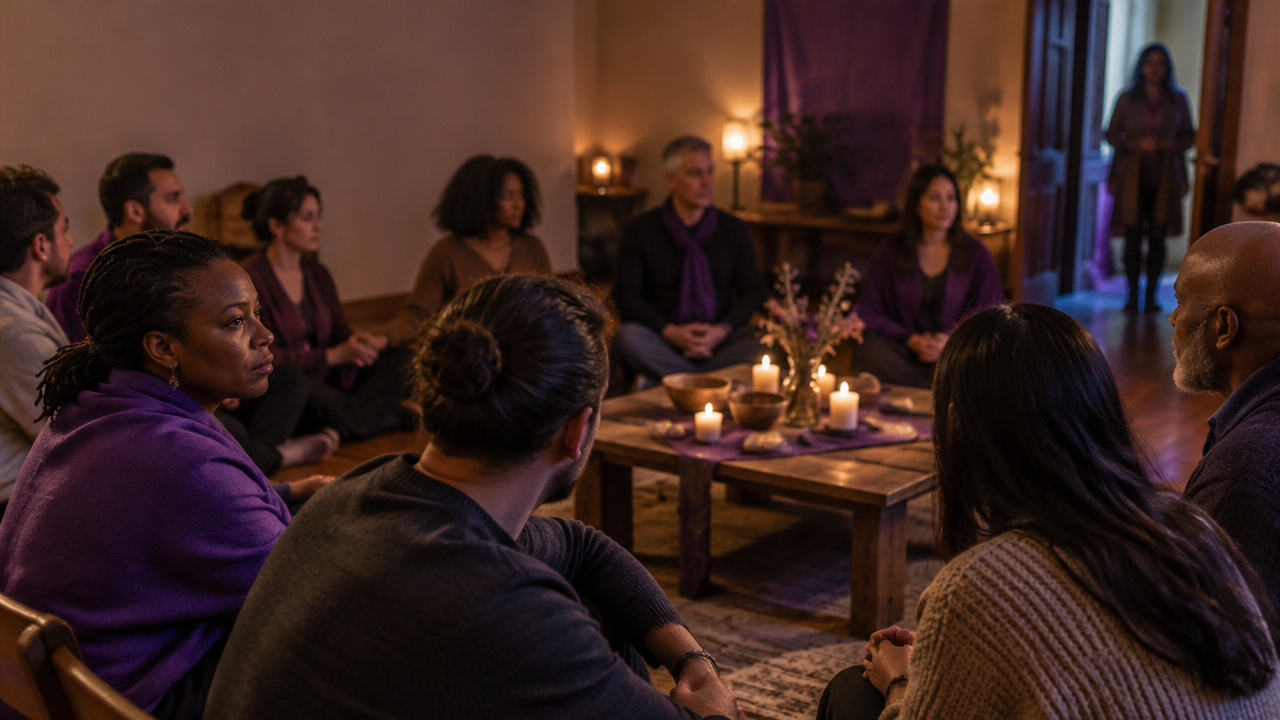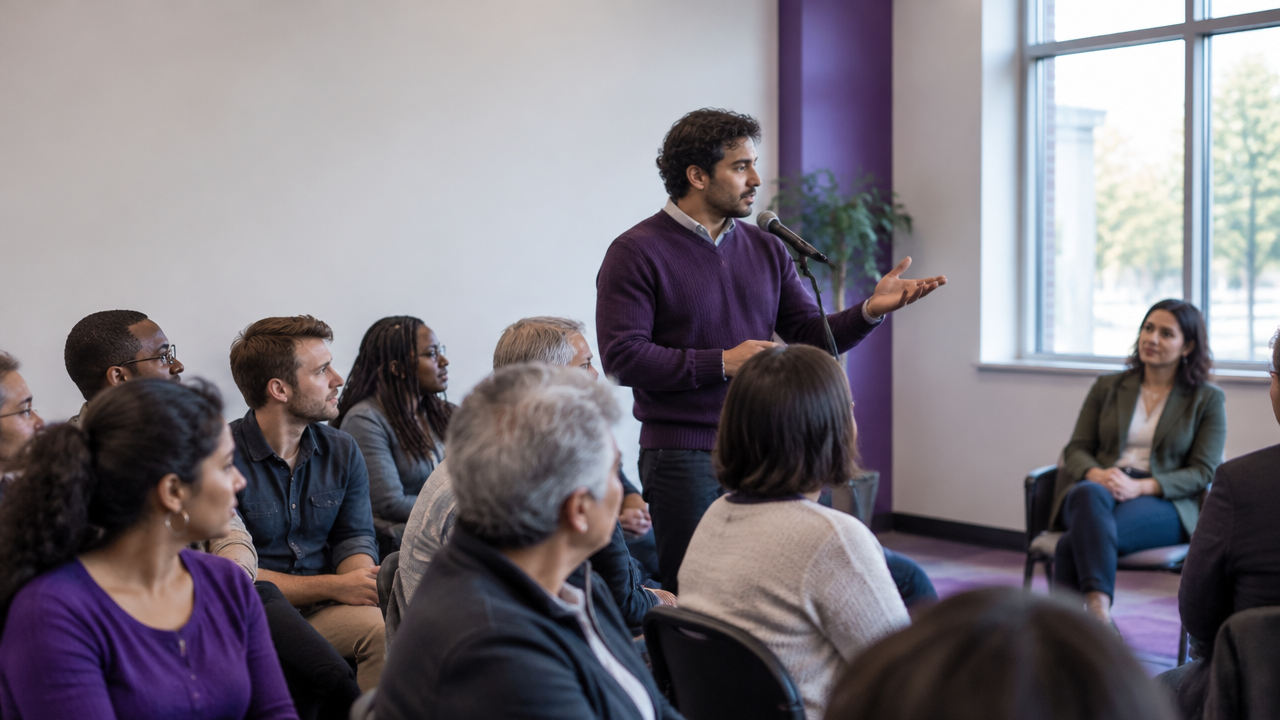


We all notice how the mood of a workplace seems to pulse beneath the surface. The energy in a meeting, an unspoken tension at a morning check-in, the encouragement in a lunchroom, or the silence when someone shares bad news. Each day, we participate in rituals—sometimes without realizing their power. These small, repeated acts don’t just fill our schedules. They feed the invisible emotional field of our organizations, shaping the patterns that carry us through both bright and stormy times.
Understanding these rituals matters, because what we repeat becomes who we are together. Even rituals as simple as how managers greet teams or how feedback is delivered, leave deep emotional marks. Let’s look at five common workplace rituals that shape emotional patterns every day—and how we might foster wiser, healthier ones.
Why small daily rituals matter
Before we point out specifics, we need to understand that a ritual is not just a scheduled task. It is any regular collective action that carries emotional meaning. These rituals invite us into habits—of hope, of fear, or sometimes of resignation. When people come together and share routines, they reinforce not only workflow, but the emotional tone of the group.
What we practice, we become.
We have seen teams lift their collective spirits simply by starting meetings with a genuine check-in. We have also seen frustration deepen when a pattern of critique, not care, sets in. That is the subtle force of ritual—quiet, persistent, and deeply influential.
The five daily workplace rituals shaping emotion
1. The morning greeting
The way each workday begins sets a tone that lingers, often more than we expect. Whether it’s a cheerful “good morning” in the hallway, a virtual team chat emoji, or a more formal check-in, these first moments send signals. They can offer warmth, signal inclusion, or, in their absence, create distance.
- Consistent eye contact and smiling, in our experience, increases a sense of belonging.
- Ignoring colleagues or curt interactions can fuel disengagement and emotional withdrawal.
The morning greeting is a daily invitation: “Do I matter here?” How that question is answered shapes engagement and trust.
2. Team meetings
Every organization holds regular meetings. But meetings are far more than agendas and updates. From who speaks first, to how silence is handled, meetings can reinforce emotion-laden hierarchies or invite openness and growth.

In our observations:
- Meetings that begin with genuine appreciation, or allow for short personal sharing, increase openness and decrease defensiveness.
- Meetings always led by the same voice tend to dampen creativity and reinforce power imbalances.
- Meetings that move too quickly from point to point, without space for questions or emotion, create an environment where people hold back.
Each routine meeting is a stage for patterns—inviting collaboration, or, if handled poorly, breeding quiet frustration. If we become more aware, we can change the script.
3. Feedback and recognition
How feedback is given—whether it’s praise, correction, or guidance—is deeply ritualized in most workplaces. The frequency, setting, and emotional tone of feedback all serve as signals: “Is it safe to learn here? Am I valued, or just evaluated?”
Patterns we have seen include:
- Public praise is often celebrated, but when one person is always highlighted, it can create resentment or comparison.
- Private, constructive feedback that balances encouragement and honesty can foster growth and psychological safety.
- Feedback delivered only during crises can trigger anxiety, making people dread interactions.
Rituals of recognition teach teams which emotions are acceptable, and when it is safe to show vulnerability or pride.
4. The break room or common space
Many workplaces underestimate the emotional life of common spaces. The break room is where informal rituals take shape. Here, people share jokes, listen to one another, form alliances or, sometimes, retreat into silence.

From our point of view:
- Spaces filled with welcoming rituals—like sharing snacks or remembering birthdays—build a sense of safety and emotional connection.
- When these spaces become cliques or gossip zones, anxiety increases and trust erodes.
- Neglected or uncomfortable common areas discourage positive spontaneous connection.
The break room is a hidden stage for everyday emotional patterns—of care, belonging, exclusion, or even subtle bullying.
5. Response to mistakes or failure
Every workplace has its way of handling errors or setbacks. This response forms a critical daily ritual—sometimes hidden, sometimes highly visible. Do we see blame, silence and avoidance? Or do we witness open conversation, learning, and forgiveness? The group’s response to failure will echo long after the incident fades.
We have recognized some key emotional patterns that arise:
- Blame and harsh consequences after mistakes teach fear and self-protection, stifling innovation.
- Open discussion of what was learned nurtures trust and psychological safety.
- Celebrating “lessons learned” can turn setbacks into fuel for courage and future risk-taking.
To reshape this ritual, organizations can adopt approaches shown in emotional education and self-regulation to build a more accepting environment in the face of mistakes.
The silent power of repeated rituals
It is not the isolated event that shapes emotion, but what is repeated daily. From team greetings to how we react under pressure, repeated patterns build shared emotional “weather.” Some habits build clouds of tension; others let in light.
What we repeat creates the real workplace experience.
By being aware of these five rituals, we can intentionally shape the emotional life of our workplaces for the better. Such awareness also supports larger organizational journeys, including those found in collective behavior and social ethics.
Adopting healthier rituals can help shift cultures from defensiveness and silos to trust and growth. Reflection on how ritual supports inclusion, recognition, and emotional learning is a quiet but steady path toward positive change.
How to reshape workplace rituals
We recommend taking time each week to reflect as a team:
- Which daily actions feed a positive emotional field?
- Where do “automatic” rituals lead to exclusion or tension?
- What small changes might make space for courage, empathy, and honest connection?
Conclusion
Daily workplace rituals shape the emotional world we share. From greetings to feedback, from shared lunches to team reflection, each repetition lays a brick in the foundation of our culture. By recognizing, questioning, and gently reshaping these rituals, we can create spaces of genuine connection and emotional growth. In the end, what we practice together each day doesn’t just echo through the halls—it builds the world we work in.
Frequently asked questions
What are workplace emotional rituals?
Workplace emotional rituals are recurring group actions or habits in workplaces that influence the emotional patterns of individuals and teams. These can include greetings, meetings, feedback sessions, or other routine events that carry emotional meaning beyond their practical function.
How do rituals affect daily emotions?
Daily rituals reinforce emotional expectations and responses in a group setting, either cultivating trust, confidence, and motivation or, when negative, building tension, anxiety, or disengagement. The emotional tone set by rituals steers how people feel coming into or leaving work every day.
Why are emotional patterns important at work?
Emotional patterns shape how people interact, solve problems, and handle stress. Positive patterns support healthy relationships and resilience, while negative ones can create divisions, low morale, and high turnover. They influence more than atmosphere—they shape outcomes and wellbeing.
Can workplace rituals boost team morale?
Yes. Rituals that genuinely include, recognize, and support team members have a direct positive effect on team spirit and morale. Even small changes in how feedback is given or how teams celebrate milestones can uplift and energize the group.
How to create positive workplace rituals?
To create positive workplace rituals, we suggest focusing on actions that invite open communication, celebrate effort, and encourage sharing. Regularly check with the team about what feels supportive, and make adjustments as needed. Start small, observe the effects, and build on the practices that enhance emotional wellbeing for all.